
As a Craniosacral Therapist, I believe there is a strong connection between the health of your mouth and teeth and the overall balance of your body.
Many people are surprised to learn that the jaw, teeth, and surrounding structures are deeply influenced by the alignment and function of the craniosacral system.
Dental and orthodontic procedures—such as palate expansion, airway-focused therapy, and restorative dental work—create profound structural and neurological changes.
These changes extend far beyond the teeth and can sometimes create deep imbalances within the body.
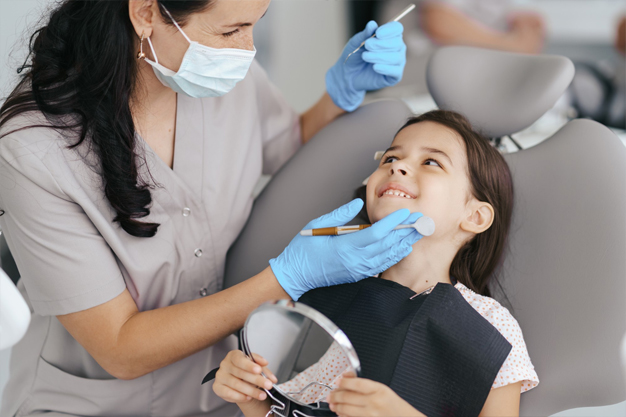
In such cases, Craniosacral Therapy can be an invaluable complementary support, helping the body adjust smoothly and restore balance.
Dental procedures, especially palate expansion and orthodontic treatments, do much more than simply move teeth.
Influences cranial bones and facial structures.
Alters jaw position and bite mechanics.
Affects how forces are distributed through the skull.
Impact breathing patterns, posture, and nervous system regulation.
In health, CST practitioners are able to perceive that facial and cranial bones are free to express movement rhythmically. If the mouth is subject to trauma from dental work, it is possible that normal and rhythmic bone motion could become restricted and we may potentially develop symptoms not only in the face, head and neck but also elsewhere in the body.

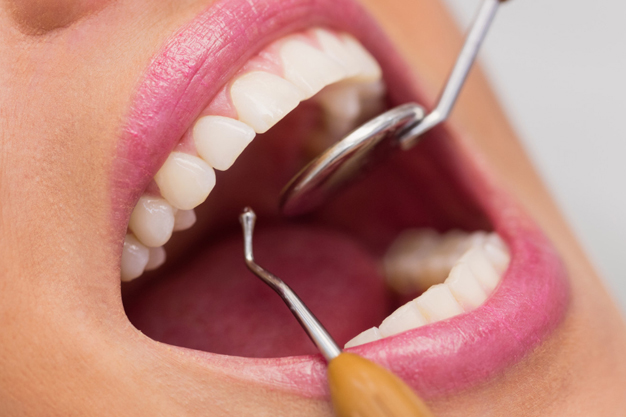
Craniosacral therapy helps improve airway health by enhancing cranial and cervical alignment, promoting proper tongue and jaw positioning, and reducing restrictions that interfere with nasal and diaphragmatic breathing. Improved airway function often leads to better sleep, higher energy levels, and overall wellness.
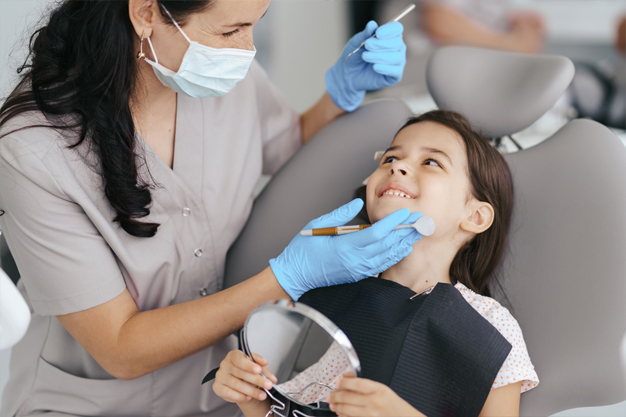
The jaw is closely connected to the body’s posture. Changes in bite can influence head and neck alignment, shoulder tension, and even pelvic balance. Craniosacral therapy works holistically with the entire body, helping maintain structural harmony as dental changes take place.
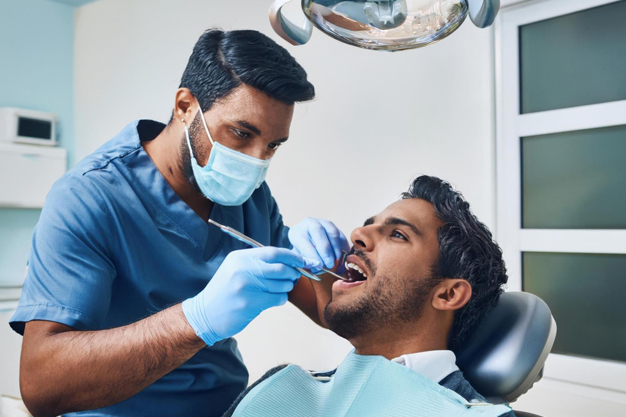
Instead of the body resisting dental adjustments, craniosacral therapy promotes cooperation between body systems. This often results in greater comfort during treatment, fewer compensatory symptoms, and a smoother, more relaxed adaptation process.
Craniosacral therapy can be a valuable complement to braces, especially for children. It helps relieve physical discomfort, supports proper jaw alignment, and provides emotional balance during orthodontic treatment.
One of the most critical applications of CST in our practice is its use before and after a frenectomy—a procedure to release a tongue or lip tie. Tension in the craniosacral fascia can restrict tongue mobility, making it difficult for the tongue to achieve its full range of motion even after a frenectomy. By using CST, we can help release this tension, ensuring that the tongue and surrounding muscles can function optimally post-procedure.
Myofunctional therapy aims to correct issues such as tongue thrust, improper swallowing patterns, and mouth breathing. CST enhances these outcomes by addressing underlying fascial restrictions that might be contributing to these dysfunctions. By releasing tension in the craniosacral fascia, CST helps to create a more supportive environment for the muscles involved in breathing, eating and sleeping.